Project Hail Mary's international titles and the art of making a film travel

Ryan Gosling saves the world in every language. But the name of the film he's doing it in? That changes depending on where you're watching. From Tokyo to Buenos Aires to Taipei, Project Hail Mary has been retitled to teach us the true meaning of transcreation.
First, the challenge posed by the original title. A Hail Mary, in American usage, is a last-second, low-probability throw in American football. A desperate, audacious long-shot, almost certainly doomed. It's the perfect metaphor for a suicide mission to save the planet. But it only works if you know the sport, and even then only if you know the play. Layer in the Catholic prayer it borrows its name from, and you've got a title that's doing a lot of cultural heavy lifting before a single frame of the movie has played.
In short: clever, layered, and almost untranslatable. The perfect localization challenge.

Japan kept the title and transliterated it. プロジェクト・ヘイル・メアリー is Project Hail Mary written in katakana, the script typically reserved for foreign words. Japan's approach reflects a well-established convention in its film market: sci-fi titles often carry more cachet when kept in the original. In other words, the vibe is more important than the meaning.

Germany stripped it down to the man. Der Astronaut — "The Astronaut" Full stop. Germany's version dispenses with mission, metaphor, and stakes, and leaves you with a single, visual, instantly legible image. It's the most reductive title on this list, and arguably the most honest. You're watching a film about an astronaut. Here it is. Some markets softened this slightly with the hybrid Der Astronaut – Project Hail Mary, preserving the original as a subtitle — a nod to international brand consistency while still leading with the local hook.
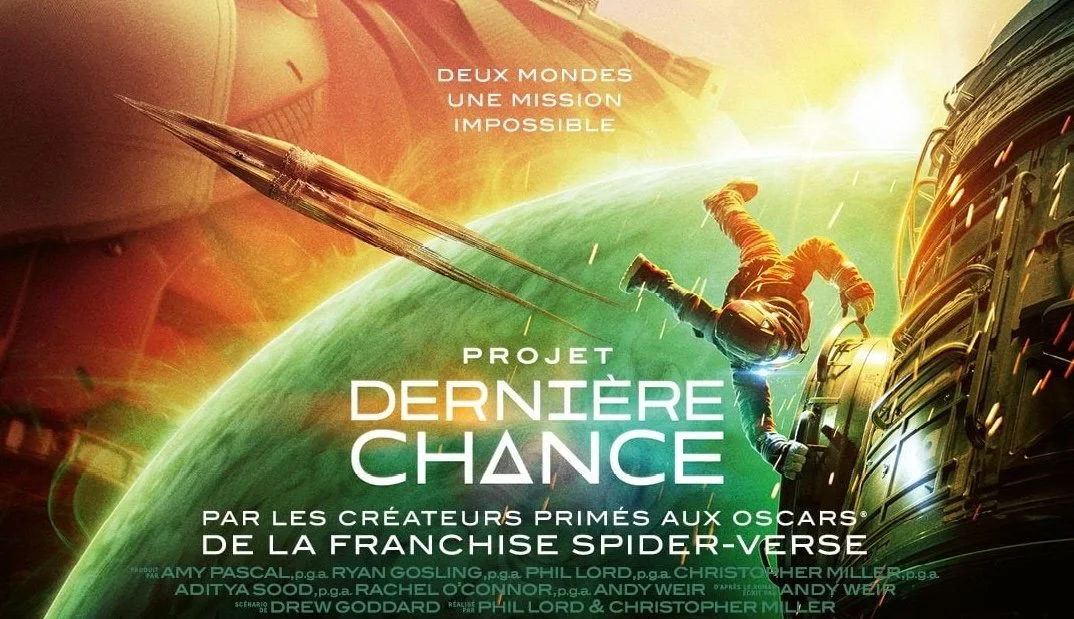
France translated the meaning, not the words. Projet dernière chance — "Project Last Chance." No sports. No religion. Just the emotional core of what a Hail Mary is: a final, desperate attempt when all other options have run out. It's precise, functional, and slightly deflating compared to the original. Clarity over poetry, and that sold a lot of tickets.
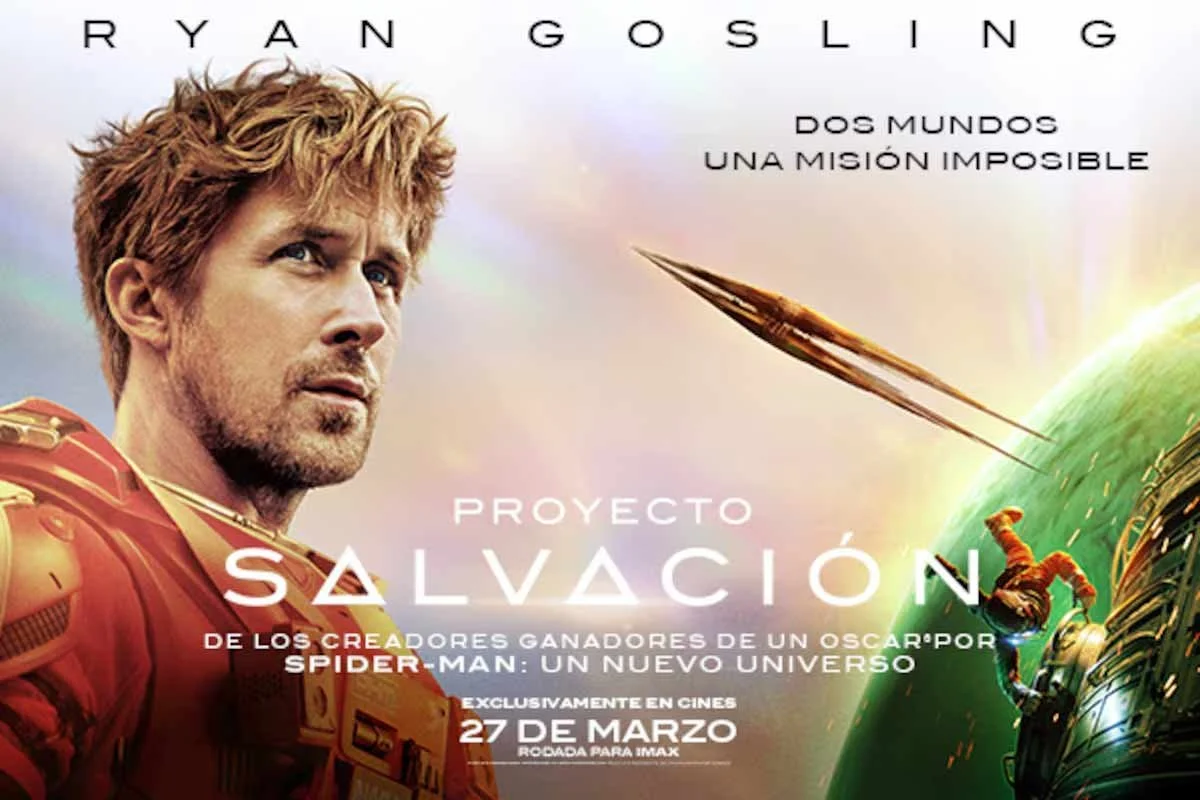
Spain opted for a leap of faith. Proyecto Salvación — "Project Salvation." In this case, the football term, is adapted with the word ‘salvation’, a word that is easy to link to spirituality and religion, which evokes a similar religious emotion driven by blind faith in search of something better, as the Hail Mary meaning of the sport metaphor mentioned in the original name. This title not only highlights the main objective of the project—to save humanity—but it is the hero himself who finds his own personal salvation during his journey in space.

Argentina went apocalyptic. Proyecto Fin del Mundo — "Project End of the World." Same language as Spain, very different emotional register. Where Spain offered hope, Argentina opened with stakes: this is the end, unless someone stops it. This reflects a recognizable Latin American marketing tendency — lead with maximum drama, make the urgency feel personal. The world is ending. Your move.
The Spain versus Argentina comparison stands out as the most revealing. Two markets, one shared language, two completely opposite emotional framings of the exact same story. It's a perfect illustration of why "same language" and "same market" are never synonymous.

Mainland China took the opposite approach. Released simultaneously with North America on March 20, the film opened in China as 挽救计划 — "The Rescue Plan." Clean, functional, mission-focused. No religious subtext, no spacecraft poetry, no apocalyptic drama. Just: here is the plan, here is what it does. Notably, it's the same title used for Andy Weir's novel in its Chinese translation, which means mainland audiences were already familiar with it before a single trailer ran. Continuity over creativity — a deliberate choice, and a smart one.